/nav-logo-desktop.webp "Marketing Architects")
Episode 182
Trust is a Growth Strategy with Kent Grayson
Marketers assume the moment consumers spot a sales pitch, their guard goes up and the message dies. New research says that's only half the story. Sometimes recognizing persuasion makes people trust a brand more, not less.
This week, Elena, Angela, and Rob are joined by Kellogg School of Management professor Kent Grayson, who has spent decades studying trust, deception and authenticity. He explains the three building blocks every brand draws on to earn trust, plus how to diagnose which one you're actually missing. The team also digs into whether TV itself works as a trust signal, and why AI could erode the founder story the same way paid deals eroded influencers.

Topics Covered
• [03:30] What the persuasion knowledge model really says
• [07:30] Why people distrust "advertising" but trust the ads they watch
• [10:30] Trust's three buckets: competence, honesty and benevolence
• [15:30] Character-based trust vs assurance-based trust
• [19:00] Can a media channel be a trust signal?
• [21:30] How AI threatens the founder story
• [26:00] Trustworthy creative starts with a trustworthy strategy
Resources:
2017 KelloggInsight Research
Kent Grayson's LinkedIn
Today's Hosts

Elena Jasper
Chief Marketing Officer

Rob DeMars
Chief Misfit

Angela Voss
Chief Executive Officer
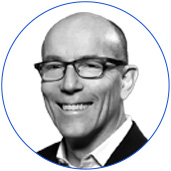
Kent Grayson
Professor at Kellogg School of Management
Transcript
Elena: I'm Elena Jasper. I run the marketing team here at Marketing Architects, and I'm joined by my co-hosts, Angela Voss, the CEO of Marketing Architects, and Rob DeMars, the Chief Misfit at Misfits & Machines.
Angela: Hello.
Rob: Hello, hello.
Elena: Today we have a guest joining us. Kent Grayson is a professor of marketing at Kellogg School of Management, where he holds the Bernice and Leonard Lavin Professorship. He's spent decades researching trust, deception, and authenticity, and he co-founded the Trust Project at Northwestern in 2016 and served as its faculty director through 2019. He also coordinates Kellogg's core marketing course, the required marketing class for all MBA students. And before Kellogg, he taught at London Business School, where he spent five years working alongside a past guest and friend of the pod, Mark Ritson. So Kent, welcome to the show. Thanks for joining us.
Kent: Thank you so much for having me. As I've said, I'm a great fan of the podcast. It's really awesome, and I recommend it to all my students.
Rob: Oh, that's awesome to hear, Kent. Now, what else is awesome is the fact that you were wearing a Justice League T-shirt when you were talking with Elena before. A professor wearing a Justice League T-shirt who happens to have the last name of Grayson, all right?
Kent: And the first name Kent.
Rob: Uh, true. That's two combos there.
So Dick Grayson being Robin from Batman and Robin. So is there something here you're not telling us? Do you have some famous family lineage here?
Kent: Let's just say I'm not gonna take off my glasses because it might reveal something that you wouldn't have noticed before.
Rob: Awesome.
Elena: Gosh, that's funny. Well, thanks. We're so excited to have you here, and we are back with our thoughts on some recent marketing news, always trying to root our opinions in data, research, and what drives business results. And today's research I chose from our guest himself, who along with his former PhD student, Matthew Isaac, published a study in the Journal of Consumer Research titled "Beyond Skepticism: Can Accessing Persuasion Knowledge Bolster Credibility?" And that challenges a common marketing assumption that the moment consumers recognize we're being marketed to, our defenses go up, and the message loses power. But Kent and Matthew surveyed hundreds of consumers about a wide range of advertising and sales tactics and found something more nuanced. But I'm gonna pause there because we have a guest today who is way more qualified than me to talk about these findings and more with all of us today.
So Kent, thanks again for joining. Before we get into your research in more detail, you've spent a lot of your career studying trust, so I wanted to start with what kind of drew you to this area, and what's kept you interested in it for so long?
Kent: I wish I knew, honestly. There's just something about truth and falsehood, trust and mistrust, authenticity and inauthenticity, and how people navigate that. I'm just drawn to it like a moth to the flame. I gotta tell you, this interest, I've had it since I was a kid. One thing I remember from when I was, you know, 11, 12 years old is that my parents took me to this movie called The Sting, which is sort of like a 1970s version of Ocean's 11. It stars Paul Newman and Robert Redford, who are like the Brad Pitt and George Clooney of the '70s, right? It's this movie about con artists, and there's a few sort of cons that they play in the movie, but the movie itself plays with the trust of the viewer. And the movie just completely blew my mind. It still blows my mind. It's one of the few movies that I like to watch over and over again. Most movies I don't wanna watch,
Rob: It's a great movie.
Kent: It's just like, the trust and deception and authenticity — I wish I knew why, but I've always found it interesting.
Elena: Yeah. Who knows? Sometimes those childhood experiences can shape things. Another thing that you probably encounter over and over again in your research is the persuasion knowledge model, or the PKM. You were walking me through that when we chatted and how it's often referenced in research around trust. What is that model and why is it often misinterpreted?
Kent: Okay, so persuasion knowledge is — it was first developed by a couple of researchers from Stanford back in the 1990s, Friestad and Wright, Marian Friestad and Peter Wright. Their research is based on something that psychologists have known for really 100 years, which is that we grow up in the world, even from when we're like one, two, three years old, we're exposed to the world and how people think about it, and we develop these things called knowledge structures, which are... You can just think about them as like, they're categories of information. So we have knowledge structures about... We were talking about your dog. We have knowledge structures about animals. What is an animal and how do we distinguish between different kinds of animals? We have knowledge structures about meals.
What is a meal and what are different kinds of meals? And what Friestad and Wright hit upon back in the '90s is here's another thing that we're exposed to a lot as we grow up: people trying to persuade us, our parents trying to persuade us to wear a rain jacket, or our teachers trying to persuade us to do our homework or sit down. Other kids in the playground trying to persuade us to give up our Pokémon card.
And you know, overwhelmingly, we're exposed to persuasion attempts by companies — buy this cereal or go to this amusement park. And what Friestad and Wright realized, it seems maybe obvious in retrospect, is that that means we all have a knowledge structure about persuasion. This is the persuasion knowledge structure. We know — well, we often know — we're being persuaded and when we're not, and when someone's trying to persuade us, we know the different techniques that they might be using. And a couple of interesting things about persuasion knowledge.
First, Friestad and Wright started to track people's persuasion knowledge as they grow older, and they found that even as young as 10, 11, 12, kids have very sophisticated persuasion knowledge structures. A second thing that they highlighted is that persuasion knowledge, like most knowledge structures, is used only when you need it. So I'm not gonna use my knowledge structure about animals until I see an animal behind you. And I'm not gonna use my persuasion knowledge structure unless I think I'm being persuaded. And here's the trick, right? Sometimes marketers don't want to trigger persuasion knowledge. They want us to think, "Oh, this is just information," or, "This is just kind of showing up in your browser." Or, you know, it's just someone comes up to you on the street and says, "Hey, can you take a picture?"
And it's, you know, with a new model of phone. And you think, "Oh, it's just somebody asking me to take a picture," but it's actually product placement. And what Friestad and Wright sort of identified is this thing called the change of meaning principle, which is that as soon as we recognize that someone's trying to persuade us, these knowledge structures come to the front of our minds, and we evaluate it differently. With influencers, this is one great context, right? Sometimes we think that influencers are just sharing information 'cause they really like a product or they like some content, "Hey, you should go watch this." But as soon as we realize, you know, it says sponsored content underneath, or we get a hint and, "Wait a minute, sounds a little scripted," our impression of that information will change. And so that's the persuasion knowledge model in a nutshell.
Elena: And sometimes people have used that model, like in research around advertising and trust, and say there is sort of this widespread belief that people don't trust advertising in general. I remember seeing an article a few years ago that said like, "People trust advertising less than politicians," or something, something scary. Is that the truth?
Kent: That's low.
Elena: That'd be really, really low today. What is the truth? Do people really distrust advertising as much as they say they do?
Kent: When you see a survey like that, and I think there's definitely, if the survey's done well, some truth to it. I think as a category, you can understand how people trust or distrust politicians, how people trust or distrust the media, how people trust or distrust advertising. But we have to keep in mind that's asking people about the whole category and sort of asking us to compare it to other categories of things. Like you mentioned politicians. Gallup, until recently, has done surveys every year about trusted professions. So how much do you trust politicians relative to nurses? Nurses often come up pretty high. As a category, like I generally trust nurses and as a category, I guess I generally distrust politicians. But I think equally important, and maybe even more important for us as marketers, is to recognize that within every category there's a lot of variation. And so what these studies don't often talk about, for example, is trust in the media. We know trust in the media has gone down, but we also know that people's trust in the media that they consume has gone up. "I don't trust the media," says someone who watches Fox News or MS Now. "I don't trust the media, but I trust Fox News," or, "I trust MS Now," or, "I trust CNN." Same is true for politicians. People say they don't trust politicians, but many people say, "I trust my congressperson." And the same is true for advertising, and I think this is sort of something that Matt Isaac and I were able to capitalize on in our study, is that people often assume you don't trust advertising.
That means as soon as your persuasion knowledge turns on, right? You're like, "Hmm, no way. I don't trust it." But actually, if it's from a brand that you already trust or if they're using persuasion techniques that you find to be persuasive, you lean in. If you have persuasion knowledge, you are able to distinguish between... You're often able to distinguish between the charlatan, the exaggerator, the influencer who's not authentic, and the person who really has a product that you might like, that is authentically enthusiastic about skateboards or earbuds or something, and has really developed a product that addresses a source of dissatisfaction that you have.
And so persuasion knowledge helps us navigate the persuasion environment that we're all sort of like up to our necks in. Not always wanting to jump out of the water because everybody's lying to us, but more importantly, to decide which persuaders we're going to give precedence to and which ones we're going to sort of discount.
Angela: That, for me, surfaces the reason why just having a great product matters. I mean, I think something that we talk about a lot on the podcast, or maybe not a lot, but from time to time, is just System 1 versus System 2 thinking. You know, we as marketers wake up thinking about our own brands and how do consumers feel about it.
But this trust framework and our ability to understand persuasion and what are we being told or how are we being, quote-unquote, scammed potentially by the advertisement that we're seeing today, like a lot of that thought happens so quickly in that System 1 mode. But having a great product is a great way to build trust with consumers, right?
So, Kent, there's a signature framework in your field that says trust is built on three building blocks. Can you share with us what those are?
Kent: Yes. If you want to understand trust, it is important to recognize that trust can come from a number of different sources. And in marketing, but also in psychology and sociology and anthropology, in economics and in political science, academics have generally come to an agreement that there are three buckets of resources that people can draw on when they wanna build trust. And these buckets go by different names, but I'm gonna use the names that people in marketing use. And so if you want to be trustworthy, one bucket that you can draw from has to do with, do you have the skills to do the job? Do you know what skills are needed, and do you have the skills to do the job? And that relates, Angela, to your point about product capabilities. Are you producing a product that actually works? And can you guarantee its reliability and credibility? And some people call this resource or this bucket, they call it competence. You can build a lot of trust through your competence and by convincing people that you have the skills to do the job. A second bucket that you can draw from has to do with whether you tell the truth and keep your promises. Now you could be real competent, right? But if you don't tell the truth and keep your promises, then trust is gonna go down. This bucket's sometimes called honesty or sometimes called integrity. The third bucket, which I sometimes find the most interesting, has to do with convincing the consumer or the partner, the trading partner, that you have their best interests in mind as part of the arrangement, as part of the relationship, as part of the agreement. It doesn't mean that you're gonna give away the farm, like you're the kind of person who's just like, "We're gonna give you your money back no matter what." We don't want that. We want you to have a good deal. And this is sometimes called benevolence. The fact that you can draw from these three buckets means that trust is a much more nuanced concept than just like, do you trust or not? Do you trust this company to be competent? Do you trust this company to be honest? And do you trust this company to be benevolent? In my work with companies, sometimes those measures can be all over the place, and it helps companies and brands to better diagnose if we're having trust problems, where exactly do those trust problems lie?
Angela: So that's exactly where I was gonna go next, is just if I'm trying to do right by my brand, I think about things like, well, we need people to know who we are. You know, is there awareness? Is there consideration? Is there satisfaction? A lot of times brand trust as a bucket is just used in a survey like that, but it's not very rigorous.
It definitely doesn't break down into do you have the skills, the credibility, the honesty, integrity. Maybe some do, but how should brands be measuring it?
Kent: This is tricky. One thing that I think is important to recognize is that if we are going to measure something like what do you think the brand stands for, which a lot of brand managers wanna know, and we do some analysis on the brand meaning, and we come back with, let's take Nescafé. Nescafé is known for inexpensive, instant, and that's pretty consistent across countries. That's not research on trust, no. But it does say that customers trust Nescafé to be associated with inexpensive instant coffee. And what that tells us is that there is some trust. It probably is seen to be competent, honest, and benevolent when it comes to producing instant coffee that is inexpensive. You know, sometimes when I work with companies, they wanna measure trust separately, and it's important to recognize that maybe you're already indirectly measuring trust in a way that is sufficient, that you don't really have to dive in and measure specifically these dimensions of trust. Now, on the other hand, I have worked with companies that are having... especially ones that are having trust problems, where, for example, the brand image is not as consistent across consumers or it's not as positive. And here's where a diagnosis of trust becomes particularly important, and here's where I would recommend that they should try and measure these separate buckets: honesty, benevolence, and competence. Not all companies want to follow that three-bucket approach, and that's fine. Some have an extra bucket or they only wanna measure two or they have their own names or their own interpretations, but you do have to dig down into the basis on which people are trusting you to better diagnose what's right or wrong.
Angela: I think about the purpose movement at the time and just a lot of brands trying to hop on that bandwagon, maybe without the competence or the credibility, maybe without the truth and promises there too. So I can see where trying to diagnose why we don't have it and trying to optimize for it might make more sense to kinda dig into the weeds a little bit versus just going, "We do have it. We're great at instant coffee. We have been for a long time. People know us for that."
So I think that makes a lot of sense. You've described two distinct paths to building trust, character and assurance. Could you describe those and share the new research you've done more recently on this topic?
Kent: Yeah, this research tries to answer the question: how do we come to trust a brand, a person, a company? And this research builds to a great extent from research in economics. And economists tend to argue there are two ways that you can come to trust a government or a trading partner. And they're not mutually exclusive. Often we're relying on both, but it's interesting to think about them separately. The first has to do with the inherent character of the brand or the company or the politician or the organization. Do I believe that this organization is inherently and intrinsically motivated to be honest, benevolent, and competent? This is not about the company trying to make, you know, more sales or about the company trying to do this to build their reputation or to make more profit. It's about the founder of an organization saying that, "I want people to enjoy sunbathing a lot more than they do, and so I've developed this product to make it easier for them to do that. I've... I'm passionate about it. I wanna make sure that it works. I feel personally bad if it doesn't work, and I'm on the phone trying to figure out how to make it work better." That's a character-based foundation for trust. A quite different foundation for trust is what might be called assurance-based trust. And this is not do I trust the company or the government or, or, you know, a fellow professor here because I think they're honest, benevolent, and competent intrinsically, but because I know there are incentives in place, both punishments for untrustworthy behavior and rewards for trustworthy behavior. So if I know in the pharmaceutical industry that companies are held to a higher standard when it comes to proving that their products work, I might take this medication in part because I believe that these companies care about me. I might not really think that. I might know that they're motivated by profit and that without assurances, they might create some pharmaceuticals that are not so good for me or that have side effects that they weren't gonna tell me about. If you add assurance or sometimes if you have only assurance, I know this company's gonna get in big trouble if they're untrustworthy. That might be a sufficient basis for trust.
Angela: Mm-hmm. Yeah, that makes sense. I think about how much is spent in the pharmaceutical space on television and the FDA approvals that I think we all sort of rely on here in the US. So that makes sense. Rob, I also think about as he talked about character, remember how effective in our early DR days founder stories were, and I think that plays on character.
Just that like raw, "I had a problem, I had an experience, I tried to solve it. Here's what I created." And you're like, "Okay, I get that." So
Rob: Put a face to it. And it mattered. We only chose founders that could tell that story.
Not everyone could, but man, when they can, you just, you wanna follow them.
Angela: Yeah, absolutely. So we're a TV agency, Kent. And so we come across a lot of research that shows that consumers rate TV among the most trusted ad channels. And so we are curious, you know, from your perspective, do you think a media channel in itself can act as a trust signal? Kind of that maybe it's, I don't know if it's assurance necessarily other than like you're big enough to be on TV, so do I need to trust that component of it?
Maybe not as rule-based, but what are your thoughts on that?
Kent: Yeah, I think it's uncontested, and a variety of research projects have often demonstrated that the media channel makes a big difference. It's the source of the message in part. So it's just like a spokesperson. It's almost like asking, can the credibility of a spokesperson make a difference to the message?
I think we all recognize that the answer is yes. So if a banner ad appears next to media that is thought to be more trustworthy, a newspaper or a news organization that's thought to be more trustworthy, the ad is seen as more trustworthy. And this is about brand hygiene, right? If your banner ad shows up next to content that is not trustworthy, then it seeps over into the ad.
Angela: Yeah.
Kent: And, listen, lots of people trust TV. I know it still carries a certain kind of credibility that other media don't, but not for all audiences, right? And so for other audiences, it might be TikTok or "The Daily Show," or any of a million other potential platforms.
It goes back to my point that, you know, people say they don't trust the media, but they trust the media that they consume. Some people don't consume TV, and they themselves may think that TV is not that much of a credible medium.
Angela: Sure. I think that even if consumers knew the hoops that you have to jump through to be on television, like that's not widely known by the common American that there's a standards and practices department that is gonna question every claim and ask you to provide proof of whatever you're trying to say.
So that would even beef it up. But you're right, it's just sort of the signal of the channel.
Kent: So you're talking about assurance,
Angela: Mm-hmm.
Kent: This is why trade associations, for example, can sometimes be so influential, because it's a group of people getting together and trying to reinforce people's understanding and perception of whether whatever the trade is — car salespeople, television advertising, direct selling. And actually they say, "You should trust us because of these assurances."
Rob: Everything you're talking about is so powerful because it's human, and it's humans talking to humans. The two spiciest letters in the English language right now are A and I. You know, you talk about The Sting as a great movie. Let's talk about Blade Runner for a minute.
Kent: Oh, okay.
Rob: As we're all leaning into, you know, synthetic voices as marketers, AI-generated content, we have chatbots that you can't distinguish from human beings, right? So how does your framework, you know, really wrap its brain around the synthetic brain and, you know, are we headed to a credibility crisis in some ways?
Kent: Advertising is always facing a credibility crisis constantly. And advertising, because it's so full of smart and creative people, is always facing credibility renewal. We'll get to AI in a second, but let's take influencers for starters. Okay? Back in the early days of influencer marketing, advertisers turned to influencers because they were more credible.
This is before influencer marketing became an industry. Influencers were just people on platforms who were enthusiastic about outdoor gear, and just because they're intrinsically motivated, this is the character, right? They wanted to share their enthusiasm, right? And so marketers are like, "Hmm, this is cool. I'm an outdoor equipment brand. I wonder if the person who's talking about this equipment will be willing to talk about my cool gear. Like, what if I talk to them and they like it, and they might talk about it?"
That would be a great way to get around the fact that people can be skeptical about advertising messages, right? This is a renewal, I think back in the day, of, wow, this is a great new, refreshing, convincing way to be credible. And then some companies say, "Ooh, does that mean I can just pay someone? They're willing to just take the money and say the product is good without really meaning it?" And now the credibility gets eroded, right? And people start to think, "Oh, I've gotta be a little bit more skeptical." This is persuasion knowledge growing and changing as we go, 'cause as much as credibility is being eroded and renewed at the same time, our persuasion knowledge structures are being changed as we go.
Let's take your founder stories as an example. Now I think we know that we are close to a point where I can plug in some prompts and I could create a video of a hypothetical, a fictional founder who tells a credible story that punches all the buttons that you said were in your most credible founder stories.
We might not be there yet, Rob, but we are close, right? What does that mean? Sorry to say it means that that secret sauce that you found, which back in the day was so refreshing and wonderful and persuasive, is gonna be eroded. And marketers are gonna have to find, as we always do, another way, because I really have a product that's good.
I want people to know about it, and oh crap, I can't use an effing founder story because AI has ruined it. Just like influencer marketing was ruined, just like advertising used to be more credible than it is now, we just have to find other ways.
Rob: That's such an interesting point where, you know, and influencers are still very effective, but once it becomes a part of the conversation, you just have to look at it and go, "Okay, well how do you adjust to make sure that it continues to build — "
Kent: So I'll just —
Rob: Yeah.
Kent: Like, how are marketers doing that? It means I can't... If I wanna have a persuasive influencer, I have to work with them from the beginning of my product development, right? That's how I make my influencers more credible, for example.
Rob: Right.
Kent: I want their input on the product so that they have some buy-in, and so when they talk about the product, they're being authentic. I gotta tell you, that seems like it works for a lot of companies. I bet in five years someone's gonna find a way to hack it and ruin the credibility of it, and then we're gonna have to find another way to make influencers more credible.
Rob: I love it. You're talking about a lot of really powerful components to what makes creative powerful in this era of trying to build trust. If you were going to design creative from the ground up, what key components would you keep in mind as you're creating those commercials?
Kent: We're all marketers — most of the people listening, I think, are marketers. And if you're a marketer, you understand the difference between strategy and tactics, and you understand that if your strategy isn't solid, your tactics are gonna suck most of the time. So if you want trustworthy advertising, you have to start by being a trustworthy marketer. You have to start with a trustworthy strategy. You have to start with something that is competent and honest and benevolent, and then you give that kind of brief to an agency and they'll deliver against it, eight times out of 10. Of course, creative content, sometimes it lands, sometimes it doesn't, right? I'll go back to outdoor equipment. What are the best ways to convince somebody that Patagonia is an honest company? We start with what their strategy is, and everything flows from that. And we can be creative about how we communicate that as long as the ground truth is that they are in fact this kind of company. So I'm wiggling out of it because that's the advertising agency's job, is to come up with creative ways of communicating who we really are, and it's who we really are that matters more than how we say it, I think.
Rob: For sure. Well, Kent, I barely got into college. I kind of snuck in through a side door. You went into academia, and you stayed, and you thrived, and you continued to have this incredible research career within marketing, and we've all benefited from that. What do you know now that you wish practitioners would understand as they're new and maybe coming into the field of, you know, how can they gain wisdom from what you've learned along the way?
Kent: I'm not sure if this quite answers your question, but I think when I work with practitioners, one of the things that they find most surprising about academic research is the level of transparency and independent scrutiny we have to submit our research to in order to be published in academic journals.
Rob: Mm-hmm.
Kent: And if you read an academic article — and Elena, I know you read more than your fair share — it's full of details about what data was collected and how was it measured, and how did you — how are you sure that A caused B, and are you sure that the conclusions you're making are based on the data? And practitioners sometimes ask like, "That's a..." By the way, it's a heavy lift, and you have to share your data also. Like, people can analyze your data and you know, you have to show your underwear and like, you know, they're gonna look at it. So it's not a fun process and sometimes practitioners say, "Why would you... Why do you have to do that?" There are two reasons that not everybody appreciates, which I think people might appreciate, is that, first of all, that level of transparency and independent scrutiny makes sure that your argument is more solid, that your data is more defensible, that your analysis is also more defensible. I think most academics — we say we hate the peer review process and we, you know... But actually, we do love presenting our research in public and having people ask questions about it, and a lot of times those questions help us make the research better. I'll be even more strong. I think most people when they first submit or first present work or submit it to a journal, the feedback they get, I'm gonna say again, eight or nine times out of 10, the person makes a pretty good point like, "Oh, crap, I should have thought of that. I better run another study," or, "I better do it differently." So I think the process, it's not fun and sometimes it goes awry, but it does make research better. But this is even more important. You have to publish all that stuff in that journal, and other people can look at it, and they can decide for themselves, "Do I trust it?"
Or, "How much do I trust it? How much do I believe it? Do I agree with how they measured engagement with that video?" Or, more importantly, oh, I see they measured engagement by, they watched it up to 30 seconds. That's important for me to know. It wasn't 10 seconds, and it wasn't a minute. So I'm gonna — when they say, "Oh, engagement with YouTube videos has these results," I understand what they mean by engagement is 30 seconds, and I'm gonna understand the results from that perspective. So that's kind of what I think practitioners sometimes don't always appreciate. They don't always have to.
But when we're talking about, you know, oh, they wanna publish research, I'm like, "Okay. First of all, it's gonna take a while. Second, you're gonna have to share your data. And third, we were gonna get some feedback that we might have to do some more."
Rob: Sometimes the most fun research is also the one that gets people riled up a little bit, right? And it's a little bit contrarian. What do you feel like is your most contrarian marketing opinion based on all the things you've seen?
Kent: When research comes out — we found this, we found that A causes B — we should all do this then. I think the marketing field is not always as careful about interrogating that and saying, "Well, okay, wait. How transparent have you been about that research? And how much independent scrutiny has been given to that research?" And now I'm not saying that practitioners or people in the marketing field have to have a PhD and be able to go into those articles like Elena does and look at all the details. But certainly peer review is one step up. If some article's gone through peer review, it means two things. First of all, a bunch of experts have looked at it and given feedback, and the research has improved. But also you can look at it too if you wanted to. And that's important: if somebody has not provided that level of information about how they did the research, it's not that the research is necessarily wrong, but it is true that you can't say as much whether it's right or wrong and you kind of have to think about the conclusions in that light and whether you're gonna act on it, whether you're gonna spend 6 million or 6 million on an advertising campaign based on research that has not necessarily been as transparent as one might think before a company does that.
Elena: Yeah, that's definitely something we've learned doing this podcast. I think we used to feature a lot more sort of industry research, and over time, based on feedback, we've learned that the academic research that is peer reviewed tends to be, I don't know, more accurate or it gets less pushback. But I think you're right that anyone can come out with research and it's really not reviewed.
You can say whatever you want online, and it's not always accurate. But I really appreciate people like you who do this academic research but are also good communicators of it, because that's why we started the show. It feels like there's sometimes a gap. Like, when I'm going through these papers, at times I'm like, "What are they even saying?"
You know? So it's nice to have someone who can translate kind of what does this mean for marketers? 'Cause there's... One thing we've learned through doing this show is there's so much research out there, actually. There's a lot you can learn. A lot of it's just not as accessible as I think it could be. But to wrap us up with something less academic, maybe — you were wearing a Justice League T-shirt when I first chatted with you, which I just couldn't help but notice. So I'm curious, in your opinion, which superhero do you think would make the most trustworthy brand spokesperson?
Kent: You mentioned you might be asking this and so I put some thought into it. The first thing that came to my mind is what I returned to, and that is, you know, Rob, you're wearing a Superman shirt. There's no doubt in my mind that Superman maxes out on competence, benevolence, and honesty. The thing is like, I thought, Kent, come on, man. Like, Superman is the most uninteresting superhero in so many ways. All the other superheroes are more interesting, but they're interesting because of their flaws. Because, you know, Batman — is Batman really that benevolent? And let's face it, all superheroes have a certain amount of dishonesty because of their secret identities, right? But it made me think that, you know, trust is kinda boring. Like, it's not the most exciting thing. To be trustworthy is, ugh, you know, like the kid at school who's always like, trustworthy, or like, you know, the person at work who's always a trustworthy person. So thinking about that gave me some insight about trustworthiness, but I'm gonna stick with Superman for sure. The most trustworthy superhero.
Elena: All right. So we're all gonna be wrong, but Ang and Rob, did you have opinions?
Angela: Yeah.
Kent: And by the way, my assessment of Superman has gone through peer review.
Angela: Oh, okay. Well then you win for sure.
Yeah, I was thinking that the most trustworthy superhero must have great power and great responsibility. And so I think mine plays on assurance, so mine would be Spider-Man. I was trying to think of like what brand could also say, "With great power also comes great responsibility."
Which I don't think is a very trustworthy company right now, although I use them a lot. But like I think about like OpenAI.
Rob: Ooh. Wow. Wow. That's
Elena: They should use Spider-Man as their —
Angela: I think they for sure should be saying, "With great power comes great responsibility." So I'll just leave it at that.
Rob: Yeah. Wow. So unlike Angela, I listen to you, Kent, and so my superhero really I think fits your framework. And I think part of the challenge with using superheroes as a trust mechanism is they bring a little bit of that cliché that I think consumers might reject, and see through based on your research, right? Those frameworks. Their guards go up a little bit. So I'm going with Deadpool as my superhero, and the reason being is I think that any brand that would be vulnerable enough to say, "Deadpool is our superhero," and allow Deadpool to even make fun of them, 'cause he's going to or else it's not Deadpool, right? Then you show you are a vulnerable brand, and you are trustworthy because you're willing to go there.
Angela: Have you seen Deadpool?
Rob: Several times.
Kent: Well,
Angela: Okay.
Kent: Here's the thing, like one of the best ways that you can show that you're trustworthy is to open — this is partly about academic research, is to open yourself to criticism. So lawyers, when they're going to make an argument in court, they sometimes start out by saying, "Listen, you're gonna hear that my client did X and Y, and they
Rob: Right.
Kent: I'm not gonna dispute that." And by taking that hit, by letting Deadpool, you know, maybe make a little fun of us, like, we're confident enough
Rob: Yes.
Kent: to have him as our spokesperson. I definitely see that.
Rob: I mean, the most trusted brand in the country is probably Disney. And they've allowed Deadpool and Disney to connect, right? Like, I mean, that's pretty amazing.
Angela: I feel like Deadpool is radically transparent about being untrustworthy. Like, I think that is a terrible answer.
Kent: Yeah.
Angela: He lies, he breaks rules, he's very unpredictable, he has questionable judgment. Okay.
Rob: Absolutely. I'm
Kent: And like Spider-Man, given where Spider-Man came from and how Spider-Man learned the importance, right, of caring. 'Cause in the beginning,
Rob: That's true.
Kent: he didn't give a crap.
Rob: That is true. But
Kent: And then Spider-Man, you know, started to really care.
Rob: This is true. This is true.
Kent: You know, Spider-Man would not be a spokesperson for a company that didn't have that ground truth of trustworthiness, because that's a principle that Spider-Man lives by, and
Angela: Yeah. You gotta — right, exactly. You have to be careful who you attach your brand to.
Rob: No brand can afford Spider-Man right now. He's just too big of a hit.
Elena: Yeah, that's probably
Angela: It is.
Elena: Yeah, I was going with the opposite of Deadpool. I chose Captain America. I feel like Steve Rogers, very trustworthy, almost to a fault, his moral
Rob: Yes.
Elena: code is the center of his story. He's so honest and benevolent and competent, and also my personal favorite superhero.
Angela: Cool.
Rob: It is a great superhero.
Elena: I loved Captain America. And there's some Made in America stuff that — right, Kent? — can still work sometimes in advertising, and yeah.
So there we go.
Angela: Awesome.
Elena: Well, that was so fun, Kent. Thank you so much for joining us. We had a great time.
Angela: Thank you, professor.
Rob: Thank you, Kent.
Elena: Great.
Episode 182
Trust is a Growth Strategy with Kent Grayson
Marketers assume the moment consumers spot a sales pitch, their guard goes up and the message dies. New research says that's only half the story. Sometimes recognizing persuasion makes people trust a brand more, not less.
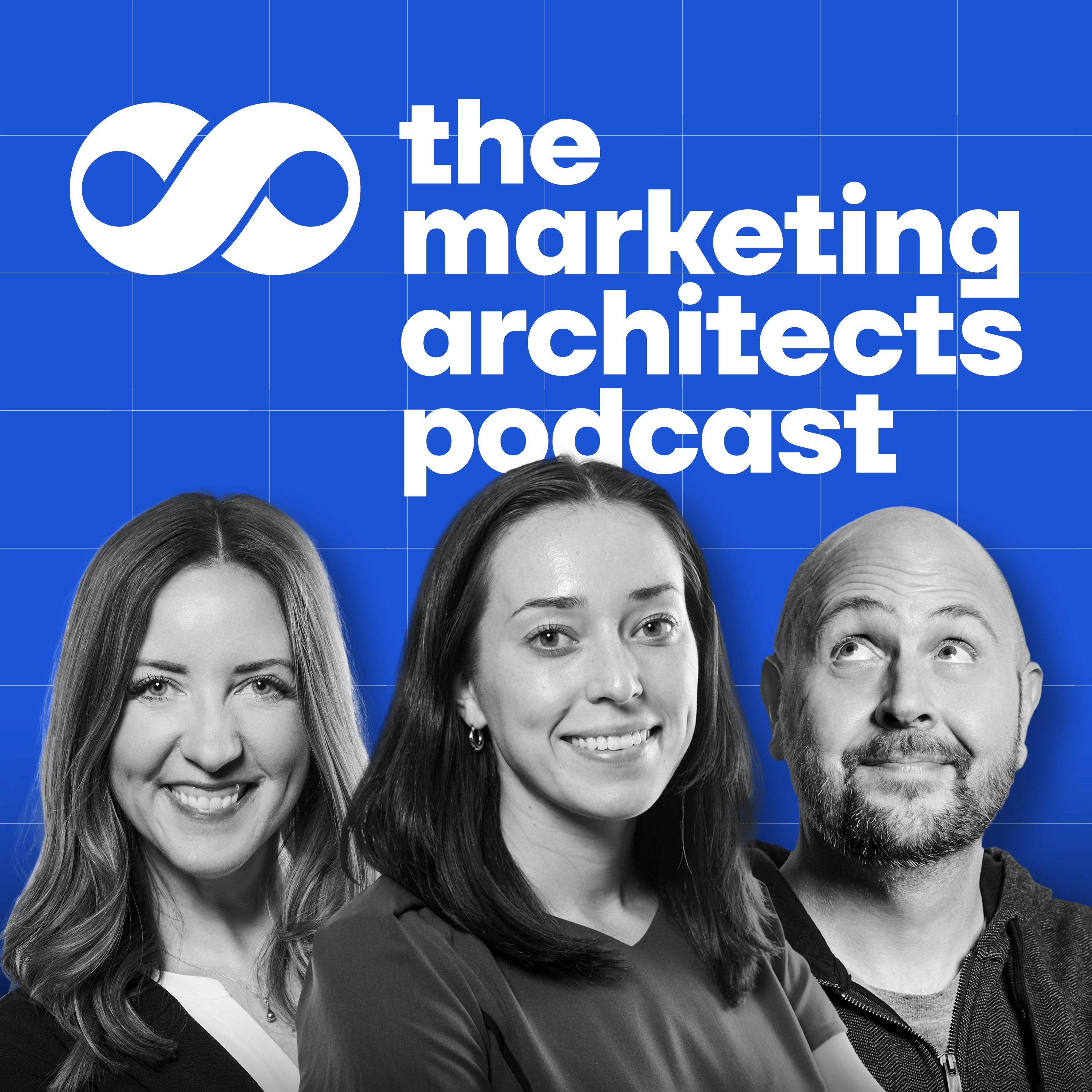
This week, Elena, Angela, and Rob are joined by Kellogg School of Management professor Kent Grayson, who has spent decades studying trust, deception and authenticity. He explains the three building blocks every brand draws on to earn trust, plus how to diagnose which one you're actually missing. The team also digs into whether TV itself works as a trust signal, and why AI could erode the founder story the same way paid deals eroded influencers.
Topics Covered
• [03:30] What the persuasion knowledge model really says
• [07:30] Why people distrust "advertising" but trust the ads they watch
• [10:30] Trust's three buckets: competence, honesty and benevolence
• [15:30] Character-based trust vs assurance-based trust
• [19:00] Can a media channel be a trust signal?
• [21:30] How AI threatens the founder story
• [26:00] Trustworthy creative starts with a trustworthy strategy
Resources:
2017 KelloggInsight Research
Kent Grayson's LinkedIn
Today's Hosts
Elena Jasper
Chief Marketing Officer
Rob DeMars
Chief Misfit
Angela Voss
Chief Executive Officer
Kent Grayson
Professor at Kellogg School of Management
Subscribe on



Enjoy this episode? Leave us a review.
Transcript
Elena: I'm Elena Jasper. I run the marketing team here at Marketing Architects, and I'm joined by my co-hosts, Angela Voss, the CEO of Marketing Architects, and Rob DeMars, the Chief Misfit at Misfits & Machines.
Angela: Hello.
Rob: Hello, hello.
Elena: Today we have a guest joining us. Kent Grayson is a professor of marketing at Kellogg School of Management, where he holds the Bernice and Leonard Lavin Professorship. He's spent decades researching trust, deception, and authenticity, and he co-founded the Trust Project at Northwestern in 2016 and served as its faculty director through 2019. He also coordinates Kellogg's core marketing course, the required marketing class for all MBA students. And before Kellogg, he taught at London Business School, where he spent five years working alongside a past guest and friend of the pod, Mark Ritson. So Kent, welcome to the show. Thanks for joining us.
Kent: Thank you so much for having me. As I've said, I'm a great fan of the podcast. It's really awesome, and I recommend it to all my students.
Rob: Oh, that's awesome to hear, Kent. Now, what else is awesome is the fact that you were wearing a Justice League T-shirt when you were talking with Elena before. A professor wearing a Justice League T-shirt who happens to have the last name of Grayson, all right?
Kent: And the first name Kent.
Rob: Uh, true. That's two combos there.
So Dick Grayson being Robin from Batman and Robin. So is there something here you're not telling us? Do you have some famous family lineage here?
Kent: Let's just say I'm not gonna take off my glasses because it might reveal something that you wouldn't have noticed before.
Rob: Awesome.
Elena: Gosh, that's funny. Well, thanks. We're so excited to have you here, and we are back with our thoughts on some recent marketing news, always trying to root our opinions in data, research, and what drives business results. And today's research I chose from our guest himself, who along with his former PhD student, Matthew Isaac, published a study in the Journal of Consumer Research titled "Beyond Skepticism: Can Accessing Persuasion Knowledge Bolster Credibility?" And that challenges a common marketing assumption that the moment consumers recognize we're being marketed to, our defenses go up, and the message loses power. But Kent and Matthew surveyed hundreds of consumers about a wide range of advertising and sales tactics and found something more nuanced. But I'm gonna pause there because we have a guest today who is way more qualified than me to talk about these findings and more with all of us today.
So Kent, thanks again for joining. Before we get into your research in more detail, you've spent a lot of your career studying trust, so I wanted to start with what kind of drew you to this area, and what's kept you interested in it for so long?
Kent: I wish I knew, honestly. There's just something about truth and falsehood, trust and mistrust, authenticity and inauthenticity, and how people navigate that. I'm just drawn to it like a moth to the flame. I gotta tell you, this interest, I've had it since I was a kid. One thing I remember from when I was, you know, 11, 12 years old is that my parents took me to this movie called The Sting, which is sort of like a 1970s version of Ocean's 11. It stars Paul Newman and Robert Redford, who are like the Brad Pitt and George Clooney of the '70s, right? It's this movie about con artists, and there's a few sort of cons that they play in the movie, but the movie itself plays with the trust of the viewer. And the movie just completely blew my mind. It still blows my mind. It's one of the few movies that I like to watch over and over again. Most movies I don't wanna watch,
Rob: It's a great movie.
Kent: It's just like, the trust and deception and authenticity — I wish I knew why, but I've always found it interesting.
Elena: Yeah. Who knows? Sometimes those childhood experiences can shape things. Another thing that you probably encounter over and over again in your research is the persuasion knowledge model, or the PKM. You were walking me through that when we chatted and how it's often referenced in research around trust. What is that model and why is it often misinterpreted?
Kent: Okay, so persuasion knowledge is — it was first developed by a couple of researchers from Stanford back in the 1990s, Friestad and Wright, Marian Friestad and Peter Wright. Their research is based on something that psychologists have known for really 100 years, which is that we grow up in the world, even from when we're like one, two, three years old, we're exposed to the world and how people think about it, and we develop these things called knowledge structures, which are... You can just think about them as like, they're categories of information. So we have knowledge structures about... We were talking about your dog. We have knowledge structures about animals. What is an animal and how do we distinguish between different kinds of animals? We have knowledge structures about meals.
What is a meal and what are different kinds of meals? And what Friestad and Wright hit upon back in the '90s is here's another thing that we're exposed to a lot as we grow up: people trying to persuade us, our parents trying to persuade us to wear a rain jacket, or our teachers trying to persuade us to do our homework or sit down. Other kids in the playground trying to persuade us to give up our Pokémon card.
And you know, overwhelmingly, we're exposed to persuasion attempts by companies — buy this cereal or go to this amusement park. And what Friestad and Wright realized, it seems maybe obvious in retrospect, is that that means we all have a knowledge structure about persuasion. This is the persuasion knowledge structure. We know — well, we often know — we're being persuaded and when we're not, and when someone's trying to persuade us, we know the different techniques that they might be using. And a couple of interesting things about persuasion knowledge.
First, Friestad and Wright started to track people's persuasion knowledge as they grow older, and they found that even as young as 10, 11, 12, kids have very sophisticated persuasion knowledge structures. A second thing that they highlighted is that persuasion knowledge, like most knowledge structures, is used only when you need it. So I'm not gonna use my knowledge structure about animals until I see an animal behind you. And I'm not gonna use my persuasion knowledge structure unless I think I'm being persuaded. And here's the trick, right? Sometimes marketers don't want to trigger persuasion knowledge. They want us to think, "Oh, this is just information," or, "This is just kind of showing up in your browser." Or, you know, it's just someone comes up to you on the street and says, "Hey, can you take a picture?"
And it's, you know, with a new model of phone. And you think, "Oh, it's just somebody asking me to take a picture," but it's actually product placement. And what Friestad and Wright sort of identified is this thing called the change of meaning principle, which is that as soon as we recognize that someone's trying to persuade us, these knowledge structures come to the front of our minds, and we evaluate it differently. With influencers, this is one great context, right? Sometimes we think that influencers are just sharing information 'cause they really like a product or they like some content, "Hey, you should go watch this." But as soon as we realize, you know, it says sponsored content underneath, or we get a hint and, "Wait a minute, sounds a little scripted," our impression of that information will change. And so that's the persuasion knowledge model in a nutshell.
Elena: And sometimes people have used that model, like in research around advertising and trust, and say there is sort of this widespread belief that people don't trust advertising in general. I remember seeing an article a few years ago that said like, "People trust advertising less than politicians," or something, something scary. Is that the truth?
Kent: That's low.
Elena: That'd be really, really low today. What is the truth? Do people really distrust advertising as much as they say they do?
Kent: When you see a survey like that, and I think there's definitely, if the survey's done well, some truth to it. I think as a category, you can understand how people trust or distrust politicians, how people trust or distrust the media, how people trust or distrust advertising. But we have to keep in mind that's asking people about the whole category and sort of asking us to compare it to other categories of things. Like you mentioned politicians. Gallup, until recently, has done surveys every year about trusted professions. So how much do you trust politicians relative to nurses? Nurses often come up pretty high. As a category, like I generally trust nurses and as a category, I guess I generally distrust politicians. But I think equally important, and maybe even more important for us as marketers, is to recognize that within every category there's a lot of variation. And so what these studies don't often talk about, for example, is trust in the media. We know trust in the media has gone down, but we also know that people's trust in the media that they consume has gone up. "I don't trust the media," says someone who watches Fox News or MS Now. "I don't trust the media, but I trust Fox News," or, "I trust MS Now," or, "I trust CNN." Same is true for politicians. People say they don't trust politicians, but many people say, "I trust my congressperson." And the same is true for advertising, and I think this is sort of something that Matt Isaac and I were able to capitalize on in our study, is that people often assume you don't trust advertising.
That means as soon as your persuasion knowledge turns on, right? You're like, "Hmm, no way. I don't trust it." But actually, if it's from a brand that you already trust or if they're using persuasion techniques that you find to be persuasive, you lean in. If you have persuasion knowledge, you are able to distinguish between... You're often able to distinguish between the charlatan, the exaggerator, the influencer who's not authentic, and the person who really has a product that you might like, that is authentically enthusiastic about skateboards or earbuds or something, and has really developed a product that addresses a source of dissatisfaction that you have.
And so persuasion knowledge helps us navigate the persuasion environment that we're all sort of like up to our necks in. Not always wanting to jump out of the water because everybody's lying to us, but more importantly, to decide which persuaders we're going to give precedence to and which ones we're going to sort of discount.
Angela: That, for me, surfaces the reason why just having a great product matters. I mean, I think something that we talk about a lot on the podcast, or maybe not a lot, but from time to time, is just System 1 versus System 2 thinking. You know, we as marketers wake up thinking about our own brands and how do consumers feel about it.
But this trust framework and our ability to understand persuasion and what are we being told or how are we being, quote-unquote, scammed potentially by the advertisement that we're seeing today, like a lot of that thought happens so quickly in that System 1 mode. But having a great product is a great way to build trust with consumers, right?
So, Kent, there's a signature framework in your field that says trust is built on three building blocks. Can you share with us what those are?
Kent: Yes. If you want to understand trust, it is important to recognize that trust can come from a number of different sources. And in marketing, but also in psychology and sociology and anthropology, in economics and in political science, academics have generally come to an agreement that there are three buckets of resources that people can draw on when they wanna build trust. And these buckets go by different names, but I'm gonna use the names that people in marketing use. And so if you want to be trustworthy, one bucket that you can draw from has to do with, do you have the skills to do the job? Do you know what skills are needed, and do you have the skills to do the job? And that relates, Angela, to your point about product capabilities. Are you producing a product that actually works? And can you guarantee its reliability and credibility? And some people call this resource or this bucket, they call it competence. You can build a lot of trust through your competence and by convincing people that you have the skills to do the job. A second bucket that you can draw from has to do with whether you tell the truth and keep your promises. Now you could be real competent, right? But if you don't tell the truth and keep your promises, then trust is gonna go down. This bucket's sometimes called honesty or sometimes called integrity. The third bucket, which I sometimes find the most interesting, has to do with convincing the consumer or the partner, the trading partner, that you have their best interests in mind as part of the arrangement, as part of the relationship, as part of the agreement. It doesn't mean that you're gonna give away the farm, like you're the kind of person who's just like, "We're gonna give you your money back no matter what." We don't want that. We want you to have a good deal. And this is sometimes called benevolence. The fact that you can draw from these three buckets means that trust is a much more nuanced concept than just like, do you trust or not? Do you trust this company to be competent? Do you trust this company to be honest? And do you trust this company to be benevolent? In my work with companies, sometimes those measures can be all over the place, and it helps companies and brands to better diagnose if we're having trust problems, where exactly do those trust problems lie?
Angela: So that's exactly where I was gonna go next, is just if I'm trying to do right by my brand, I think about things like, well, we need people to know who we are. You know, is there awareness? Is there consideration? Is there satisfaction? A lot of times brand trust as a bucket is just used in a survey like that, but it's not very rigorous.
It definitely doesn't break down into do you have the skills, the credibility, the honesty, integrity. Maybe some do, but how should brands be measuring it?
Kent: This is tricky. One thing that I think is important to recognize is that if we are going to measure something like what do you think the brand stands for, which a lot of brand managers wanna know, and we do some analysis on the brand meaning, and we come back with, let's take Nescafé. Nescafé is known for inexpensive, instant, and that's pretty consistent across countries. That's not research on trust, no. But it does say that customers trust Nescafé to be associated with inexpensive instant coffee. And what that tells us is that there is some trust. It probably is seen to be competent, honest, and benevolent when it comes to producing instant coffee that is inexpensive. You know, sometimes when I work with companies, they wanna measure trust separately, and it's important to recognize that maybe you're already indirectly measuring trust in a way that is sufficient, that you don't really have to dive in and measure specifically these dimensions of trust. Now, on the other hand, I have worked with companies that are having... especially ones that are having trust problems, where, for example, the brand image is not as consistent across consumers or it's not as positive. And here's where a diagnosis of trust becomes particularly important, and here's where I would recommend that they should try and measure these separate buckets: honesty, benevolence, and competence. Not all companies want to follow that three-bucket approach, and that's fine. Some have an extra bucket or they only wanna measure two or they have their own names or their own interpretations, but you do have to dig down into the basis on which people are trusting you to better diagnose what's right or wrong.
Angela: I think about the purpose movement at the time and just a lot of brands trying to hop on that bandwagon, maybe without the competence or the credibility, maybe without the truth and promises there too. So I can see where trying to diagnose why we don't have it and trying to optimize for it might make more sense to kinda dig into the weeds a little bit versus just going, "We do have it. We're great at instant coffee. We have been for a long time. People know us for that."
So I think that makes a lot of sense. You've described two distinct paths to building trust, character and assurance. Could you describe those and share the new research you've done more recently on this topic?
Kent: Yeah, this research tries to answer the question: how do we come to trust a brand, a person, a company? And this research builds to a great extent from research in economics. And economists tend to argue there are two ways that you can come to trust a government or a trading partner. And they're not mutually exclusive. Often we're relying on both, but it's interesting to think about them separately. The first has to do with the inherent character of the brand or the company or the politician or the organization. Do I believe that this organization is inherently and intrinsically motivated to be honest, benevolent, and competent? This is not about the company trying to make, you know, more sales or about the company trying to do this to build their reputation or to make more profit. It's about the founder of an organization saying that, "I want people to enjoy sunbathing a lot more than they do, and so I've developed this product to make it easier for them to do that. I've... I'm passionate about it. I wanna make sure that it works. I feel personally bad if it doesn't work, and I'm on the phone trying to figure out how to make it work better." That's a character-based foundation for trust. A quite different foundation for trust is what might be called assurance-based trust. And this is not do I trust the company or the government or, or, you know, a fellow professor here because I think they're honest, benevolent, and competent intrinsically, but because I know there are incentives in place, both punishments for untrustworthy behavior and rewards for trustworthy behavior. So if I know in the pharmaceutical industry that companies are held to a higher standard when it comes to proving that their products work, I might take this medication in part because I believe that these companies care about me. I might not really think that. I might know that they're motivated by profit and that without assurances, they might create some pharmaceuticals that are not so good for me or that have side effects that they weren't gonna tell me about. If you add assurance or sometimes if you have only assurance, I know this company's gonna get in big trouble if they're untrustworthy. That might be a sufficient basis for trust.
Angela: Mm-hmm. Yeah, that makes sense. I think about how much is spent in the pharmaceutical space on television and the FDA approvals that I think we all sort of rely on here in the US. So that makes sense. Rob, I also think about as he talked about character, remember how effective in our early DR days founder stories were, and I think that plays on character.
Just that like raw, "I had a problem, I had an experience, I tried to solve it. Here's what I created." And you're like, "Okay, I get that." So
Rob: Put a face to it. And it mattered. We only chose founders that could tell that story.
Not everyone could, but man, when they can, you just, you wanna follow them.
Angela: Yeah, absolutely. So we're a TV agency, Kent. And so we come across a lot of research that shows that consumers rate TV among the most trusted ad channels. And so we are curious, you know, from your perspective, do you think a media channel in itself can act as a trust signal? Kind of that maybe it's, I don't know if it's assurance necessarily other than like you're big enough to be on TV, so do I need to trust that component of it?
Maybe not as rule-based, but what are your thoughts on that?
Kent: Yeah, I think it's uncontested, and a variety of research projects have often demonstrated that the media channel makes a big difference. It's the source of the message in part. So it's just like a spokesperson. It's almost like asking, can the credibility of a spokesperson make a difference to the message?
I think we all recognize that the answer is yes. So if a banner ad appears next to media that is thought to be more trustworthy, a newspaper or a news organization that's thought to be more trustworthy, the ad is seen as more trustworthy. And this is about brand hygiene, right? If your banner ad shows up next to content that is not trustworthy, then it seeps over into the ad.
Angela: Yeah.
Kent: And, listen, lots of people trust TV. I know it still carries a certain kind of credibility that other media don't, but not for all audiences, right? And so for other audiences, it might be TikTok or "The Daily Show," or any of a million other potential platforms.
It goes back to my point that, you know, people say they don't trust the media, but they trust the media that they consume. Some people don't consume TV, and they themselves may think that TV is not that much of a credible medium.
Angela: Sure. I think that even if consumers knew the hoops that you have to jump through to be on television, like that's not widely known by the common American that there's a standards and practices department that is gonna question every claim and ask you to provide proof of whatever you're trying to say.
So that would even beef it up. But you're right, it's just sort of the signal of the channel.
Kent: So you're talking about assurance,
Angela: Mm-hmm.
Kent: This is why trade associations, for example, can sometimes be so influential, because it's a group of people getting together and trying to reinforce people's understanding and perception of whether whatever the trade is — car salespeople, television advertising, direct selling. And actually they say, "You should trust us because of these assurances."
Rob: Everything you're talking about is so powerful because it's human, and it's humans talking to humans. The two spiciest letters in the English language right now are A and I. You know, you talk about The Sting as a great movie. Let's talk about Blade Runner for a minute.
Kent: Oh, okay.
Rob: As we're all leaning into, you know, synthetic voices as marketers, AI-generated content, we have chatbots that you can't distinguish from human beings, right? So how does your framework, you know, really wrap its brain around the synthetic brain and, you know, are we headed to a credibility crisis in some ways?
Kent: Advertising is always facing a credibility crisis constantly. And advertising, because it's so full of smart and creative people, is always facing credibility renewal. We'll get to AI in a second, but let's take influencers for starters. Okay? Back in the early days of influencer marketing, advertisers turned to influencers because they were more credible.
This is before influencer marketing became an industry. Influencers were just people on platforms who were enthusiastic about outdoor gear, and just because they're intrinsically motivated, this is the character, right? They wanted to share their enthusiasm, right? And so marketers are like, "Hmm, this is cool. I'm an outdoor equipment brand. I wonder if the person who's talking about this equipment will be willing to talk about my cool gear. Like, what if I talk to them and they like it, and they might talk about it?"
That would be a great way to get around the fact that people can be skeptical about advertising messages, right? This is a renewal, I think back in the day, of, wow, this is a great new, refreshing, convincing way to be credible. And then some companies say, "Ooh, does that mean I can just pay someone? They're willing to just take the money and say the product is good without really meaning it?" And now the credibility gets eroded, right? And people start to think, "Oh, I've gotta be a little bit more skeptical." This is persuasion knowledge growing and changing as we go, 'cause as much as credibility is being eroded and renewed at the same time, our persuasion knowledge structures are being changed as we go.
Let's take your founder stories as an example. Now I think we know that we are close to a point where I can plug in some prompts and I could create a video of a hypothetical, a fictional founder who tells a credible story that punches all the buttons that you said were in your most credible founder stories.
We might not be there yet, Rob, but we are close, right? What does that mean? Sorry to say it means that that secret sauce that you found, which back in the day was so refreshing and wonderful and persuasive, is gonna be eroded. And marketers are gonna have to find, as we always do, another way, because I really have a product that's good.
I want people to know about it, and oh crap, I can't use an effing founder story because AI has ruined it. Just like influencer marketing was ruined, just like advertising used to be more credible than it is now, we just have to find other ways.
Rob: That's such an interesting point where, you know, and influencers are still very effective, but once it becomes a part of the conversation, you just have to look at it and go, "Okay, well how do you adjust to make sure that it continues to build — "
Kent: So I'll just —
Rob: Yeah.
Kent: Like, how are marketers doing that? It means I can't... If I wanna have a persuasive influencer, I have to work with them from the beginning of my product development, right? That's how I make my influencers more credible, for example.
Rob: Right.
Kent: I want their input on the product so that they have some buy-in, and so when they talk about the product, they're being authentic. I gotta tell you, that seems like it works for a lot of companies. I bet in five years someone's gonna find a way to hack it and ruin the credibility of it, and then we're gonna have to find another way to make influencers more credible.
Rob: I love it. You're talking about a lot of really powerful components to what makes creative powerful in this era of trying to build trust. If you were going to design creative from the ground up, what key components would you keep in mind as you're creating those commercials?
Kent: We're all marketers — most of the people listening, I think, are marketers. And if you're a marketer, you understand the difference between strategy and tactics, and you understand that if your strategy isn't solid, your tactics are gonna suck most of the time. So if you want trustworthy advertising, you have to start by being a trustworthy marketer. You have to start with a trustworthy strategy. You have to start with something that is competent and honest and benevolent, and then you give that kind of brief to an agency and they'll deliver against it, eight times out of 10. Of course, creative content, sometimes it lands, sometimes it doesn't, right? I'll go back to outdoor equipment. What are the best ways to convince somebody that Patagonia is an honest company? We start with what their strategy is, and everything flows from that. And we can be creative about how we communicate that as long as the ground truth is that they are in fact this kind of company. So I'm wiggling out of it because that's the advertising agency's job, is to come up with creative ways of communicating who we really are, and it's who we really are that matters more than how we say it, I think.
Rob: For sure. Well, Kent, I barely got into college. I kind of snuck in through a side door. You went into academia, and you stayed, and you thrived, and you continued to have this incredible research career within marketing, and we've all benefited from that. What do you know now that you wish practitioners would understand as they're new and maybe coming into the field of, you know, how can they gain wisdom from what you've learned along the way?
Kent: I'm not sure if this quite answers your question, but I think when I work with practitioners, one of the things that they find most surprising about academic research is the level of transparency and independent scrutiny we have to submit our research to in order to be published in academic journals.
Rob: Mm-hmm.
Kent: And if you read an academic article — and Elena, I know you read more than your fair share — it's full of details about what data was collected and how was it measured, and how did you — how are you sure that A caused B, and are you sure that the conclusions you're making are based on the data? And practitioners sometimes ask like, "That's a..." By the way, it's a heavy lift, and you have to share your data also. Like, people can analyze your data and you know, you have to show your underwear and like, you know, they're gonna look at it. So it's not a fun process and sometimes practitioners say, "Why would you... Why do you have to do that?" There are two reasons that not everybody appreciates, which I think people might appreciate, is that, first of all, that level of transparency and independent scrutiny makes sure that your argument is more solid, that your data is more defensible, that your analysis is also more defensible. I think most academics — we say we hate the peer review process and we, you know... But actually, we do love presenting our research in public and having people ask questions about it, and a lot of times those questions help us make the research better. I'll be even more strong. I think most people when they first submit or first present work or submit it to a journal, the feedback they get, I'm gonna say again, eight or nine times out of 10, the person makes a pretty good point like, "Oh, crap, I should have thought of that. I better run another study," or, "I better do it differently." So I think the process, it's not fun and sometimes it goes awry, but it does make research better. But this is even more important. You have to publish all that stuff in that journal, and other people can look at it, and they can decide for themselves, "Do I trust it?"
Or, "How much do I trust it? How much do I believe it? Do I agree with how they measured engagement with that video?" Or, more importantly, oh, I see they measured engagement by, they watched it up to 30 seconds. That's important for me to know. It wasn't 10 seconds, and it wasn't a minute. So I'm gonna — when they say, "Oh, engagement with YouTube videos has these results," I understand what they mean by engagement is 30 seconds, and I'm gonna understand the results from that perspective. So that's kind of what I think practitioners sometimes don't always appreciate. They don't always have to.
But when we're talking about, you know, oh, they wanna publish research, I'm like, "Okay. First of all, it's gonna take a while. Second, you're gonna have to share your data. And third, we were gonna get some feedback that we might have to do some more."
Rob: Sometimes the most fun research is also the one that gets people riled up a little bit, right? And it's a little bit contrarian. What do you feel like is your most contrarian marketing opinion based on all the things you've seen?
Kent: When research comes out — we found this, we found that A causes B — we should all do this then. I think the marketing field is not always as careful about interrogating that and saying, "Well, okay, wait. How transparent have you been about that research? And how much independent scrutiny has been given to that research?" And now I'm not saying that practitioners or people in the marketing field have to have a PhD and be able to go into those articles like Elena does and look at all the details. But certainly peer review is one step up. If some article's gone through peer review, it means two things. First of all, a bunch of experts have looked at it and given feedback, and the research has improved. But also you can look at it too if you wanted to. And that's important: if somebody has not provided that level of information about how they did the research, it's not that the research is necessarily wrong, but it is true that you can't say as much whether it's right or wrong and you kind of have to think about the conclusions in that light and whether you're gonna act on it, whether you're gonna spend 6 million or 6 million on an advertising campaign based on research that has not necessarily been as transparent as one might think before a company does that.
Elena: Yeah, that's definitely something we've learned doing this podcast. I think we used to feature a lot more sort of industry research, and over time, based on feedback, we've learned that the academic research that is peer reviewed tends to be, I don't know, more accurate or it gets less pushback. But I think you're right that anyone can come out with research and it's really not reviewed.
You can say whatever you want online, and it's not always accurate. But I really appreciate people like you who do this academic research but are also good communicators of it, because that's why we started the show. It feels like there's sometimes a gap. Like, when I'm going through these papers, at times I'm like, "What are they even saying?"
You know? So it's nice to have someone who can translate kind of what does this mean for marketers? 'Cause there's... One thing we've learned through doing this show is there's so much research out there, actually. There's a lot you can learn. A lot of it's just not as accessible as I think it could be. But to wrap us up with something less academic, maybe — you were wearing a Justice League T-shirt when I first chatted with you, which I just couldn't help but notice. So I'm curious, in your opinion, which superhero do you think would make the most trustworthy brand spokesperson?
Kent: You mentioned you might be asking this and so I put some thought into it. The first thing that came to my mind is what I returned to, and that is, you know, Rob, you're wearing a Superman shirt. There's no doubt in my mind that Superman maxes out on competence, benevolence, and honesty. The thing is like, I thought, Kent, come on, man. Like, Superman is the most uninteresting superhero in so many ways. All the other superheroes are more interesting, but they're interesting because of their flaws. Because, you know, Batman — is Batman really that benevolent? And let's face it, all superheroes have a certain amount of dishonesty because of their secret identities, right? But it made me think that, you know, trust is kinda boring. Like, it's not the most exciting thing. To be trustworthy is, ugh, you know, like the kid at school who's always like, trustworthy, or like, you know, the person at work who's always a trustworthy person. So thinking about that gave me some insight about trustworthiness, but I'm gonna stick with Superman for sure. The most trustworthy superhero.
Elena: All right. So we're all gonna be wrong, but Ang and Rob, did you have opinions?
Angela: Yeah.
Kent: And by the way, my assessment of Superman has gone through peer review.
Angela: Oh, okay. Well then you win for sure.
Yeah, I was thinking that the most trustworthy superhero must have great power and great responsibility. And so I think mine plays on assurance, so mine would be Spider-Man. I was trying to think of like what brand could also say, "With great power also comes great responsibility."
Which I don't think is a very trustworthy company right now, although I use them a lot. But like I think about like OpenAI.
Rob: Ooh. Wow. Wow. That's
Elena: They should use Spider-Man as their —
Angela: I think they for sure should be saying, "With great power comes great responsibility." So I'll just leave it at that.
Rob: Yeah. Wow. So unlike Angela, I listen to you, Kent, and so my superhero really I think fits your framework. And I think part of the challenge with using superheroes as a trust mechanism is they bring a little bit of that cliché that I think consumers might reject, and see through based on your research, right? Those frameworks. Their guards go up a little bit. So I'm going with Deadpool as my superhero, and the reason being is I think that any brand that would be vulnerable enough to say, "Deadpool is our superhero," and allow Deadpool to even make fun of them, 'cause he's going to or else it's not Deadpool, right? Then you show you are a vulnerable brand, and you are trustworthy because you're willing to go there.
Angela: Have you seen Deadpool?
Rob: Several times.
Kent: Well,
Angela: Okay.
Kent: Here's the thing, like one of the best ways that you can show that you're trustworthy is to open — this is partly about academic research, is to open yourself to criticism. So lawyers, when they're going to make an argument in court, they sometimes start out by saying, "Listen, you're gonna hear that my client did X and Y, and they
Rob: Right.
Kent: I'm not gonna dispute that." And by taking that hit, by letting Deadpool, you know, maybe make a little fun of us, like, we're confident enough
Rob: Yes.
Kent: to have him as our spokesperson. I definitely see that.
Rob: I mean, the most trusted brand in the country is probably Disney. And they've allowed Deadpool and Disney to connect, right? Like, I mean, that's pretty amazing.
Angela: I feel like Deadpool is radically transparent about being untrustworthy. Like, I think that is a terrible answer.
Kent: Yeah.
Angela: He lies, he breaks rules, he's very unpredictable, he has questionable judgment. Okay.
Rob: Absolutely. I'm
Kent: And like Spider-Man, given where Spider-Man came from and how Spider-Man learned the importance, right, of caring. 'Cause in the beginning,
Rob: That's true.
Kent: he didn't give a crap.
Rob: That is true. But
Kent: And then Spider-Man, you know, started to really care.
Rob: This is true. This is true.
Kent: You know, Spider-Man would not be a spokesperson for a company that didn't have that ground truth of trustworthiness, because that's a principle that Spider-Man lives by, and
Angela: Yeah. You gotta — right, exactly. You have to be careful who you attach your brand to.
Rob: No brand can afford Spider-Man right now. He's just too big of a hit.
Elena: Yeah, that's probably
Angela: It is.
Elena: Yeah, I was going with the opposite of Deadpool. I chose Captain America. I feel like Steve Rogers, very trustworthy, almost to a fault, his moral
Rob: Yes.
Elena: code is the center of his story. He's so honest and benevolent and competent, and also my personal favorite superhero.
Angela: Cool.
Rob: It is a great superhero.
Elena: I loved Captain America. And there's some Made in America stuff that — right, Kent? — can still work sometimes in advertising, and yeah.
So there we go.
Angela: Awesome.
Elena: Well, that was so fun, Kent. Thank you so much for joining us. We had a great time.
Angela: Thank you, professor.
Rob: Thank you, Kent.
Elena: Great.